

Planning a trip to Paris involves a lot more than just deciding which attractions to visit and where to stay.
As you'll quickly discover, there are many practical details to consider: everything from choosing an airline and packing comfortable shoes to figuring out transportation from the airport into the city, staying connected, and knowing what to do if you need medical care.
Fortunately, a little advance planning can make your Paris visit more comfortable, less stressful, and easier to enjoy - and that's what this article is about.
In this collection of questions from readers of my free Paris Discoveries Newsletter,you'll find practical advice for handling some of the everyday challenges of visiting Paris, whether you're coming for a few days, a week, or a longer stay.
The questions cover both pre-trip planning and what to know once you arrive, including airport transfers, hotel and museum reservations, luggage storage, Wifi and phone access, safety, and other useful travel essentials.
This article is part of the Paris Discoveries Q&A Archive and brings together my answers based on my own experiences as a frequent visitor to Paris, along with additional research where needed.
I've lightly edited, expanded, and updated my original answers, and added photos and links to more detailed guides to make this a more complete Paris travel resource.
Here's what you'll find in this article:
Planning Your Paris Trip
- What is the Best Airline to Take to Paris?
- How Can I Make My Trip to Paris Easy & Comfortable?
- What Kind of Boots Should I Pack for Paris in Winter?
- How to Get from CDG Airport to Your Paris Hotel
- When to Book Paris Hotels & Museum Tickets for December
After You Arrive in Paris
- Will Paris Hotels Store Luggage Before Check-In & After Check-Out?
- How to Translate French Restaurant Menus into English
- How to Get Medical Care in Paris
- Wifi in Paris: Hotspots, SIM Cards, & eSIMs
- Paris Museum & Metro Passes for Longer Visits
- Is Paris Safe for Solo Female Travelers?
- Can You Paint Outdoors in Paris & Monet's Garden at Giverny?
- How to Ship Purchases Home from Paris
- What Kind of Gift Cards Can You Use in Paris?
- Swimming Pools & Gyms in Paris: Options for Visitors
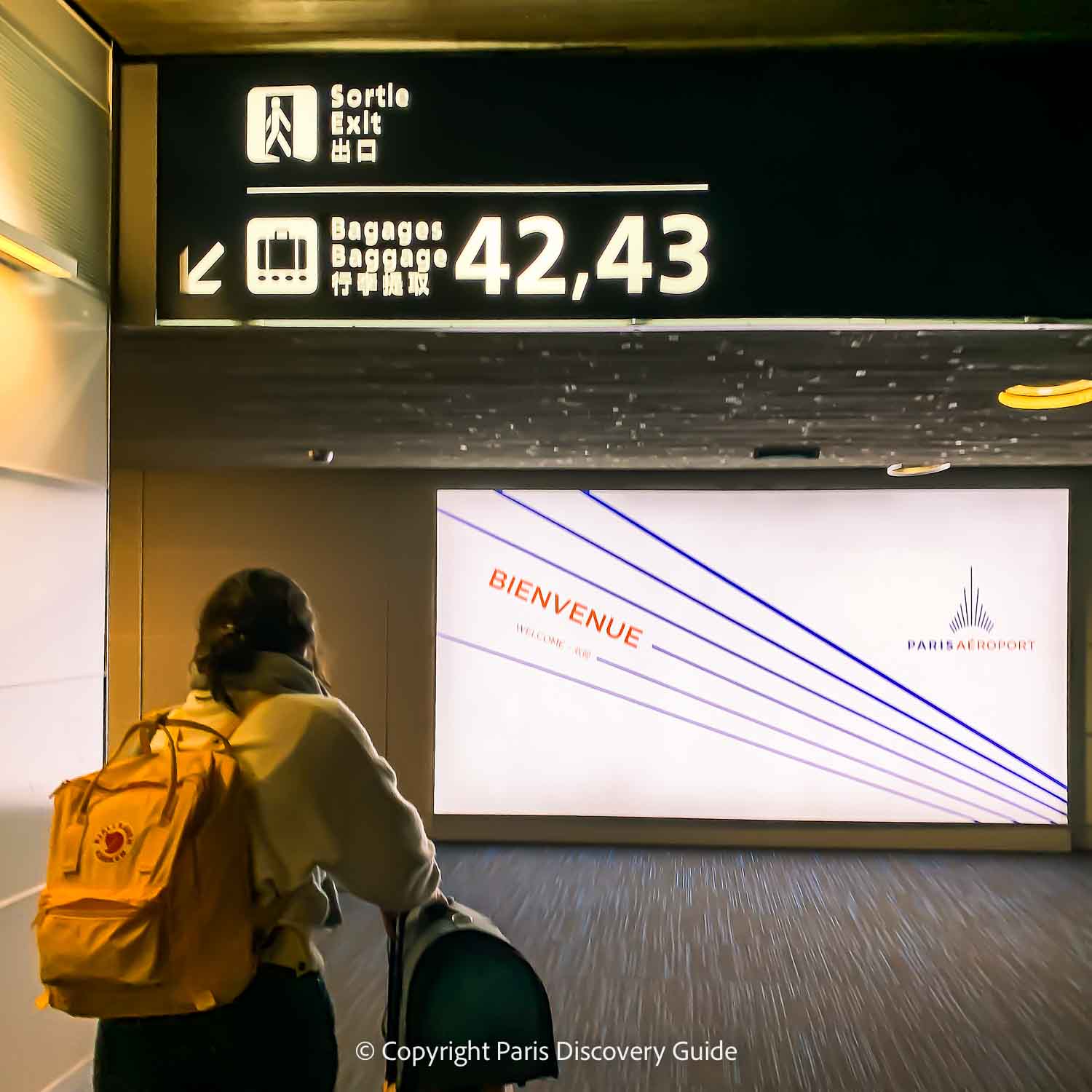
Top photo: Baggage claim at Charles de Gaulle Airport, (c) Paris Discovery Guide
Paris Discovery Guide is a reader-supported publication. If you purchase through our links, PDG may earn a small commission at no additional cost to you. Merci for your support!
Planning Your Paris Trip
What Is the Best Airline to Take to Paris?

Mark's Question:
I am visiting Paris for the first time, and want to know the highest rated airline for food and comfort. I will be traveling to Paris from the US.
Susan's Answer:
That's a tough question to answer because it really depends on what your available choices are at your departure point from the U.S.
Plus, comparing comfort can be tough because an airline may fly more than one type of aircraft to Paris, depending on the time of year, number of projected passengers, etc. The type of seating you choose - economy, business, first class - also impacts the quality of the food and your comfort level.
In general, nonstop flights feel easier and less stressful than flights with connections or aircraft changes because you don't have to scramble to change from one plane to another (and hope that your luggage makes it too) plus non-stop flights generally involve less total travel time.
So here's where I'd start: if you can fly out of an airport with airlines offering non-stop service to Paris, consider and compare those airlines, which depending on your departure city may include major carriers such as United, Delta, American, British Airways, and Air France. If you can upgrade your seat, either through money or points, to the next highest level, decide if the extra comfort is worth the extra cost.
If you're in the NYC area, you might want to check La Compagnie, a European airline that offers business class-only service from Newark to Orly with full-flat seats at a price point that's generally competitive with business class (also with full-flat seats) on Air France and Delta.
Then, ask around locally and see if anyone you know has flown any of the possible non-stop choices to Paris. If so, ask what type of seat they had and what their comfort level was like.
My experience, however, has been that seat comfort varies from one flight to another because airlines have more than one type of aircraft, often of different vintages. It's difficult to know for sure what type of plane you'll be on prior to boarding because last-minute changes can and do happen.
Also, in case this helps to know, airline food for international flights is (in my esperience) generally much better than on domestic flights, regardless of the airline and your seat class.
From Boston, my departure city in the U.S., only Delta and Air France offer non-stop service to Paris, and they partner with each other so there aren't big differences. I've flown on both - seat comfort was fine on both. I prefer the food on Air France (except for the bread, which is surprisingly terrible on flights from both Boston and Paris compared with actual French bread), plus I like French wine.
On the other hand, AF has more stringent rules regarding carryon size (and yes, I've seen them measure and then check oversize bags), which can be a pain. But honestly, I'd rate both airlines about the same.
Your flight choices will most likely be different unless you're flying out of Boston, but you can use this same framework plus any other factors you want to consider to compare and assess your options from your departure city and choose the airline that seems best.
I wish you good luck in making your decision. I'm sure whatever you choose will be fine, because once you land, you'll be in Paris!
How Can I Make My Trip to Paris Easy & Comfortable?
Nader's Question:
I am from NJ and will be in Paris for 3/4 days in the middle of May.
I've read a lot of reviews trying to make this trip easy and comfortable. Please let me know anything you feel that will help.
Also, on my way to Belgium, do you think it is worth it to visit Lille?
Susan's Answer:
Hi Nader, Since it sounds like you've done a thorough job of reading reviews to get tips, I'll just share some of the things I do to make my trips easy and comfortable in case there's anything you haven't already thought of. The nice thing about visiting from the East Coast (I'm in Boston) is that the flight isn't much more than 6 hours going over, although it's usually about an hour longer coming back.
Packing: I use packing cubes, not for compression, but to keep my things organized vs being jumbled together, which makes travel easier for me because I often stay at more than one Paris hotel during each visit - which sounds similar to your multi-stop itinerary. There are lots of fancy sets, but I ordered a cheap set, and it's still like new even after many trips. This is the set I ordered (from Amazon) - I got the pack of 6 (not 8) because that seemed like enough, and it has been. The price differs by color (which is weird) so I ordered cream, the cheapest color at the time.
Before, during, and after the flight: I drink lots of water in order to stay hydrated, as I think that helps with jet lag. I bring an empty plastic water bottle to the airport, and fill it after passing through security. Also, I wear my most comfortable pair of gym sneakers because lots of walking is always involved.
During the flight: I wear sound-canceling headphones - specifically these from Bose (mine are a few years old, but this is the latest version of what I have), because they're effective at blocking the sound of the plane's engine (which I find stressful) plus I like their sound quality. There are more expensive versions, but these are fine, both for noise-blocking as well as listening to music. I ordered mine in a light cream color because that makes them easier to find/harder to lose when you're scrambling to gather all your belongings as the plane lands. I also use them in the gym where they're great for blocking out everything except for music.
I do not use air pods because if one falls out of your ear during a flight (as happened to my daughter), finding it can be a pain if it rolls under a seat (actually, you're supposed to call the flight attendant to help).
After arriving: I go online and load an eSIM onto my phone in order to have better/faster coverage. I used Saily because it's a little cheaper than Orange, and it works just as well. For fairly heavy usage for a month, I needed 10 GB, but for a shorter trip (2-3 weeks) and less heavy usage, 5 GB would have been plenty. You can buy and install it after you arrive in Paris, which may be a couple of dollars cheaper than getting it in the US (I can't quite tell from my credit card statement), but it's probably easier to do it before you leave while you're not jet lagged.
Also, to fight jet lag, I spend as much time in the sun as possible once I arrive. And drink a lot of coffee. And water.
As for visiting Lille, I've never been there so I can't speak from first-hand experience, but I looked it up online and it looks wonderful. But so is Paris!
In the photos that I saw, Lille's architecture looks similar to Brussels and Bruges, where I have visited, and its food specialties - moules-frites (steamed mussels and fries) and chocolate - are also favorite foods in Brussels and Bruges.
So if stopping in Lille means one less day in Paris, a way to make the decision is to think about what you want to see and do when you're in Paris, and what you would give up to spend a day in Lille. And also think about if you would see or do anything in Lille that you can't also see or do in Belgium.
Plus, another point to consider is that usually the more places you stop during a trip, the more complicated the trip gets due to the need to get additional tickets, find your way around a new place, etc.
What Kind of Boots Should I Pack for Paris in Winter?

Diane's Question:
My husband and I are traveling to Zurich, Strasbourg and Paris for the Christmas markets. I am trying to decide what type of boots to get. Besides visiting the markets, we will be having lunch at the Eiffel Tower and going to a classical music recital. What boots would work for all?
Susan's Answer:
My recommendation is to get the most comfortable pair of black ankle boots that you can find to buy - preferably with well-cushioned soles, since you're sure to be walking over cobblestones which your feet may hate for a few days until they get used to the uneven surfaces.
I would also go for the lowest heels possible, since that gives the best stability on cobblestones. And I'd avoid suede, since Paris streets can be sloppy in the winter and you don't want to ruin a nice pair of velvety suede boots.
Here is an example of the style and look that I'm recommending that I found on Amazon. If you can a similar pair at a local store near you to try them on, that's always a good idea. I like that they have a removable sole insert, waterproofing, and a non-slip sole.
Also, they look fairly sleek, not bulky, despite the well-cushioned-looking soles, and they will be very similar to what many of the Parisian women you'll see will be wearing at the types of places that you mention, if they don't have on sneakers. (Not that you have to look like Parisian women, although personally I always try to blend in wherever I'm visiting.)
Water-resistant is nice if you can find it in the style you want, but most of the time, precipitation in Paris tends to be drizzly, not downpours. Not always, though, and for that reason, it's important to take a second pair plus your feet will benefit from the change, especially since it sounds like you'll be doing miles of walking at the markets. I almost always take 3 pairs, except for very short trips, but I'm also kind of oblivious about puddles if I'm photographing. If you're more careful than I am, you'll be fine.
Both lunch at the Eiffel Tower and the classical music concerts are quite informal, so anything you wear (including sneakers/athletic shoes, although I'd stick with black rather than, for example, bright or neon colors) will be fine.
Even Parisians have embraced sneakers these days, and I predict that after experiencing the comfort having something thicker than a thin leather sole between their feet and the painful (although picturesque) cobblestones so prevalent in some parts of the city, they'll never give them up.
Have a fantastic trip - you're sure to see some amazing Christmas markets!
How to Get from CDG Airport to Your Paris Hotel
Susan's Question:
I'm traveling to Paris this May after a 23-year gap, which is truly sad. Can you tell me the best way to get from Charles de Gaulle Airport to Hotel L' Empereur on Rue Chevert on the Left Bank.
Susan's Answer:
So excited for you that you'll be returning to Paris!
Getting into the city hasn't really changed much since 23 years ago except that the former RoissyBus (once called the Air France Bus) has stopped providing service from CDG into the city.
So that leaves three good options, plus one that's less convenient:
- Taxi from CDG to your hotel, which is a flat rate of 65€ to the Left Bank; just get in the taxi queue as you're exiting CDG and the dispatcher will point you toward the cab that's next in line. I've done this many times - it's easy, and no matter how bad the traffic may be, you just pay the fixed rate. Tip 1: Always confirm with them before you get in that they will charge the fixed rate and will use your credit card, assuming that's how you plan to pay; Tip 2: If you want a G7 taxi, known for their reliable service, just let the dispatcher know once you reach the front of the line.
- Use a private driver, which is somewhat pricier; you book online in advance, give them your flight #, and they monitor in case of delays so they know when to meet you. I've done this a few times when I had a tricky arrival time, including my most recent trip; this is the service that I use - I've been very pleased with them.
- RER/Metro/walking, is the least expensive (14€ - buy your RER ticket from the automated machines near the tracks; it is valid for two hours and includes connections if you don't exit the station to a metro, another RER, suburban train or Orlyval during that time period). You'll need to load it onto a Navigo Easy card, which you can buy for €2, or onto your phone; alternately, you can also get a Weekly or Monthly Navigo Pass for zones 1-5, as that pass covers trips to CDG and Orly airports. I've also done this many times and usually (unless there's a transportation strike that affects public transit) works well.
The only times I avoid the RER are when I'm on a flight that arrives super-early (which means I'm too groggy to remember my own name), or when I'm staying in a location where I'll need to transfer the metro and don't want to haul my luggage up and down the metro's many stairs. By contrast, RERs have escalators, although as you may recall from 23 years ago, they occasionally don't work. - Less convenient: Call an Uber after you arrive at CDG; the problem is that figuring out where to meet them is usually a huge pain, and you never can be sure what the traffic/fare will be. I do sometimes use Ubers to get from Paris to CDG but only at times with predictably light traffic, such as on a Sunday morning.
To reach your hotel, it looks like you'd need to 1) take RER B from CDG to Saint-Michel station, 2) transfer at Saint-Michel to RER C (toward Versailles) and take the train to the Invalides station, 3) get off the RER C at Invalides and transfer within same station (but a different set of tracks) to the metro's line 8 to La Tour Maubourg (toward Balard), and 4) then walk a few blocks to your hotel. If you want to avoid possibly having to haul your bags up and down stairs in the metro, you could get off at Invalides and walk from there to your hotel - about a 15-20 minute walk.
When to Book Paris Hotels & Museum Tickets for December
Sharon's Question:
My boyfriend & I will be traveling to Paris during the first week of December. I've read that this isn't a very busy time tourist-wise.
Do we still need to be concerned with buying tickets to museums and other sites as soon as possible and making hotel reservations months in advance?
Susan's Answer:
You are correct that early December is one of the less-busy times for visitors, but that doesn't mean that there aren't any - it's just there are fewer than during the busiest months from mid-spring through mid-fall.
I often visit Paris during that period because I love the Christmas markets. I find that if I want to stay in a particular area or in a specific hotel (usually a "yes" to both), 4-6 weeks in advance may be not quite enough time to get the reservations I want - but 2 months is best for optimum flexibility.
Where availability becomes the trickiest is somewhere just before the middle of December - because by that point, people start pouring into the city for the holidays. So it's much better to make hotel reservations a bit before you need to rather than find out you're too late to get what you want.
On the other hand, if you're not targeting a specific hotel or neighborhood, you'll have a lot more flexibility - although do keep in mind that "just before mid-December" time frame, especially if you want to find the best rates.
As for museum tickets, you definitely have more breathing room.
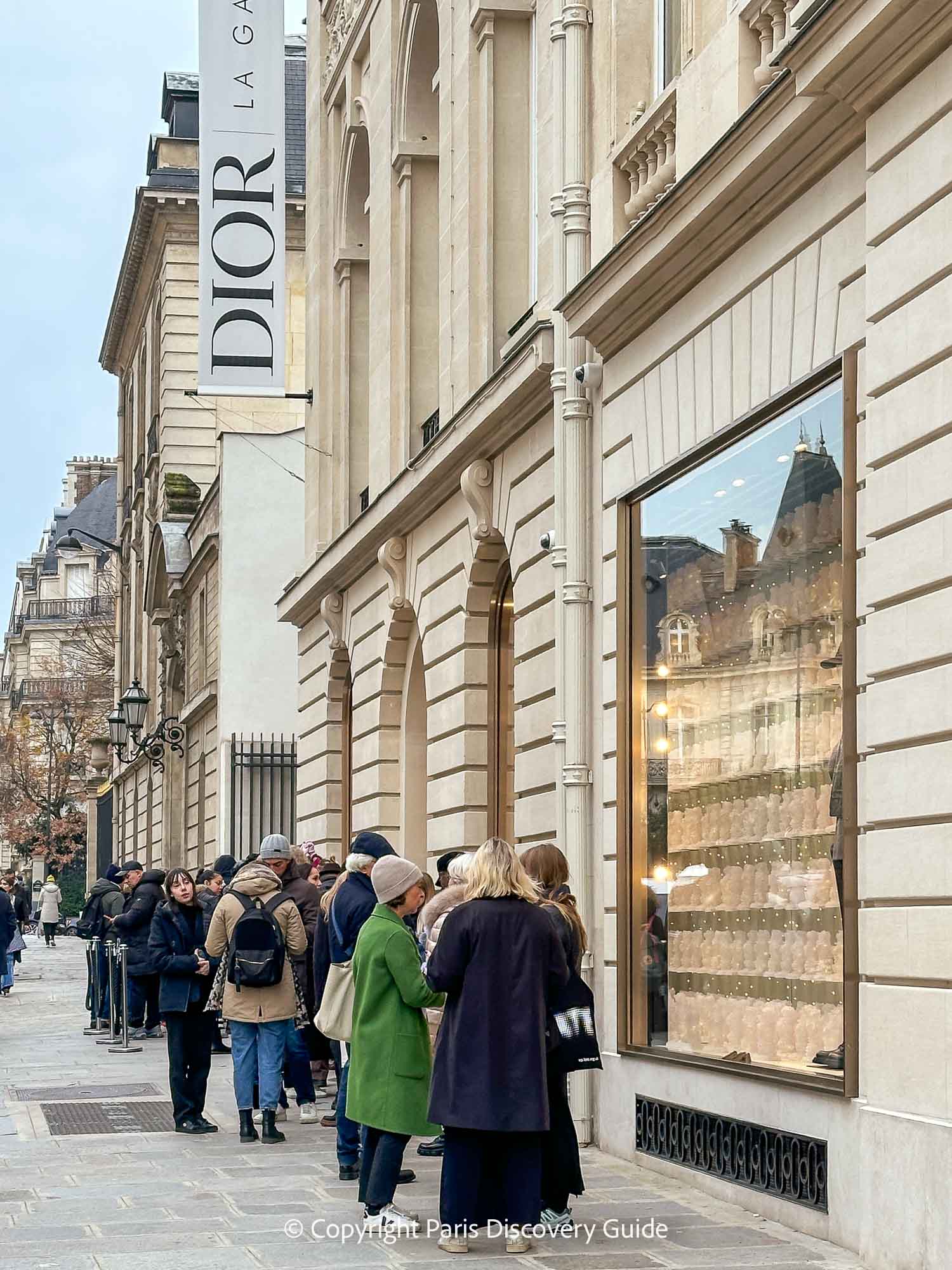
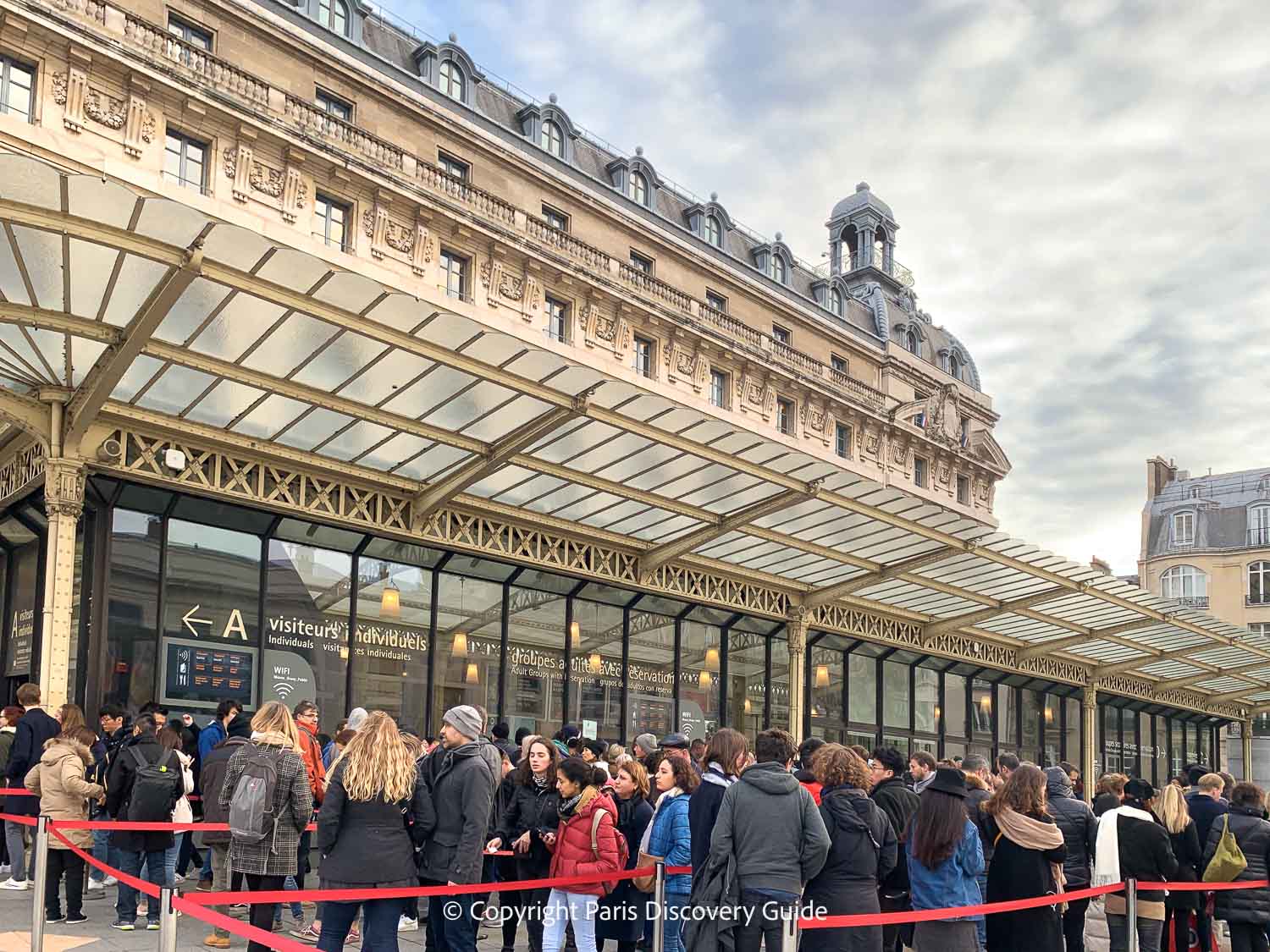
The tickets that I find the hardest to get are Galerie Dior (if that's on your to-do list, book as soon as you know your dates just to be safe), Fondation Louis Vuitton (modern/contemporary art shows - often blockbuster exhibitions), and Musée d'Orsay. Paris's Catacombs can often be difficult to book as well.
Eiffel Tower tickets should also be booked early. The Louvre will have more availability than during the peak summer months - but you do need to book online and reserve your entrance date/time in advance, because they currently state on their website that they sell tickets onsite only when attendance is "low" - and that's hard to predict.
You can check the museum exhibition schedule on Paris Discovery Guide for the museums you're interested in - if you see the word "blockbuster," book earlier than you think is reasonable.
For more details about booking timelines and hard-to-get tickets, see my guide about what to book in advance in Paris.
After You Arrive in Paris
Will Paris Hotels Store Luggage Before Check-In & After Check-Out?

Denece's Question:
Where are there places to store luggage if needed before and after hotel stay?
Susan's Answer:
The best and easiest place to store your luggage will be at your hotel. Paris hotels are used to guests dropping off their luggage early before the official check-in time, and asking them to keep the luggage for awhile after checking out. Most 3-star and up hotels will have a small room where they keep it, and 2-stars will also have some sort of dedicated space for bags - typically either behind the reception desk or a nearby closet or other space.
So just go directly to your hotel when you arrive and ask them to keep your bags until check in time. I think it's fair to say that at most Paris hotels, they will be glad to accommodate you as this is a service they routinely provide. Also, in case you're wondering, you don't need to tip for this service. (In general, tipping is not a big thing in Parisian culture - definitely nothing like the U.S.)
As a bonus, there's also always a chance that you might be able to check into your guestroom early and leave it there.
How to Translate French Restaurant Menus into English
Cathy's Question:
How do we translate French to English in restaurants?
Susan's Answer:
Montmartre gets a lot of English-speaking visitors, so most menus will have an English translation.
For other things that you might need to translate, I recommend installing Google Translate on your phone. I have an iPhone so I get it (free) from the App Store, but if you have an Android, the process is probably the same.
My Best Tip Related to Translating Menus in Restaurants: If there are certain foods that you either dislike, won't eat, are allergic to, or for any other reason try to avoid, it's a good idea to memorize the words for them in French in order to avoid mishaps.
For example, through trial and error - lots of errors - I know that I do not like organ meats/offal which are frequently served in restaurants specializing in traditional French cuisine, so when I see words such as cervelle (brains), rognon (kidneys), and gésier (gizzards) on a menu, I know to select a different dish.
How to Get Medical Care in Paris?
Mary's Question:
My husband and I will arrive in Paris June 18. If we were to have a medical emergency during our stay, where do you recommend we go? We do not speak French.
Susan's Answer:
Thanks for asking this question. It's important information for everyone to have. I started writing an answer here in the newsletter - but it got longer and longer, so I turned it into an article: What to Do if You Get Sick in Paris.
The important thing to note is that in recent years, all requests for urgent medical care go through a free service called SAMU - you just call their number (15 on a mobile phone), they sort out the urgency of your situation, and you usually don't need to go anywhere - they'll send an ambulance to take you to a hospital or they'll give you a number to call for a doctor who will make a house call to come see you in your hotel, apartment, or wherever, or you can schedule an appointment in their office.
So it's very efficient, very streamlined, and in the worst emergencies, it saves lives because they'll send an ambulance that's basically a mobile ER unit with a doctor.
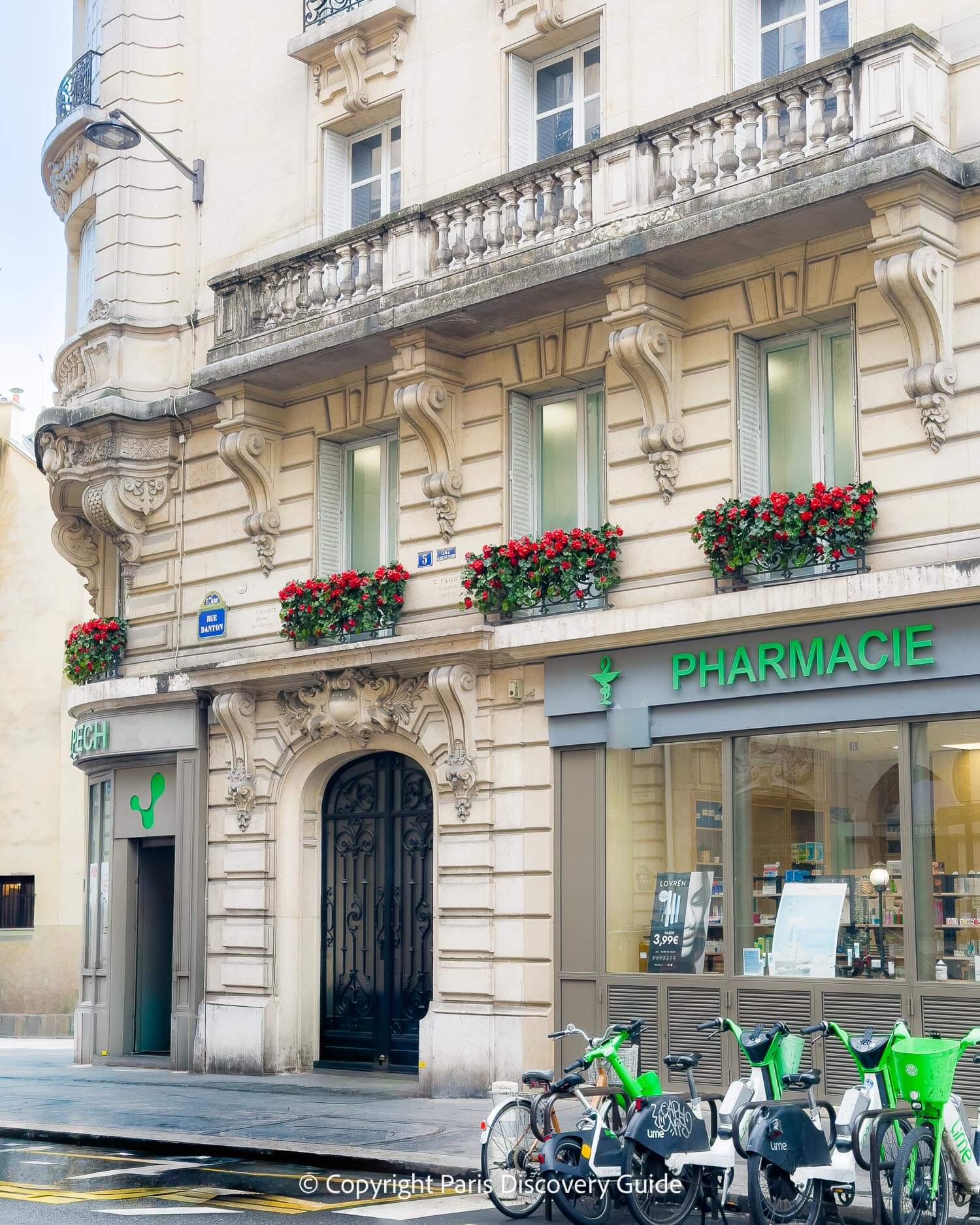
For non-emergency care, your neighborhood pharmacy should be your first stop.
Hopefully you and your husband will have a wonderful, healthy, injury-free visit and won't need any of this information.
Wifi in Paris: Hotspots, SIM Cards, & eSIMs
Jay's Question:
I'm traveling to Paris for most of November and interested in renting a hotspot for wifi access. Any recommendations?
Susan's Answer:
Portable hotspots for wifi are basically pocket-sized routers, and telecom companies such as Verizon used to rent them so you could reach out to your current home network or wifi carrier to see what they have.
I checked rental pricing for a company called TravelWiFi (which I chose more or less at random from search results), and their current rental plans for France range from about $7 to $12/day, depending on how much of a daily data quota you want and whether you want to use streaming. So if you're in Paris for (rounding up) 30 days, that would be anywhere from $210 - $360. Prices change frequently, so check current prices.
Routers used to be expensive to buy, but competition from SIMs/eSIMs has brought the cost way down, and now you can buy one from Amazon for as little as $40 at the cheap end or not much over $100 for something better. So you might consider that. Plus, keep in mind that if you're staying in a hotel or an apartment, free wifi will most likely be provided.
If you're traveling alone and don't need to share your data access with another person or device, you might also consider a SIM or eSIM with global access instead. That's what I've been doing for at least the last 10 years or so.
In France, Orange is the de facto standard. They provide plans for both a regular SIM and an eSIM, and they have lots of different packages. Especially if you have a phone with a regular SIM card (ie, not eSIM), Orange is who you would use but they're also fine for eSIM. Their 30-day plan for 20GB (the smallest amount you can get for 30 days) is currently $24.
I routinely used Orange until about a year ago when I switched to Saily. It's slightly cheaper than Orange, although their basic plan (the one I use) is for mobile data only, so it works well for WhatsApp, FaceTime, and Zoom - although my main use for it is pulling up Google maps and the RATP (Paris metro/bus/trains) app, and it's great for that.
Saily is eSIM only, and of course your phone also has to be unlocked. I was in France last spring for over a month, and got the 5GB/30 day plan for $11 which is what I had used during the fall for a shorter trip.
However, the 10GB plan for $17 would have been a better choice, as I used up my 5GBs about halfway through the 3rd week. Topping off was super fast and easy, though.
Paris Museum & Metro Passes for Longer Visits
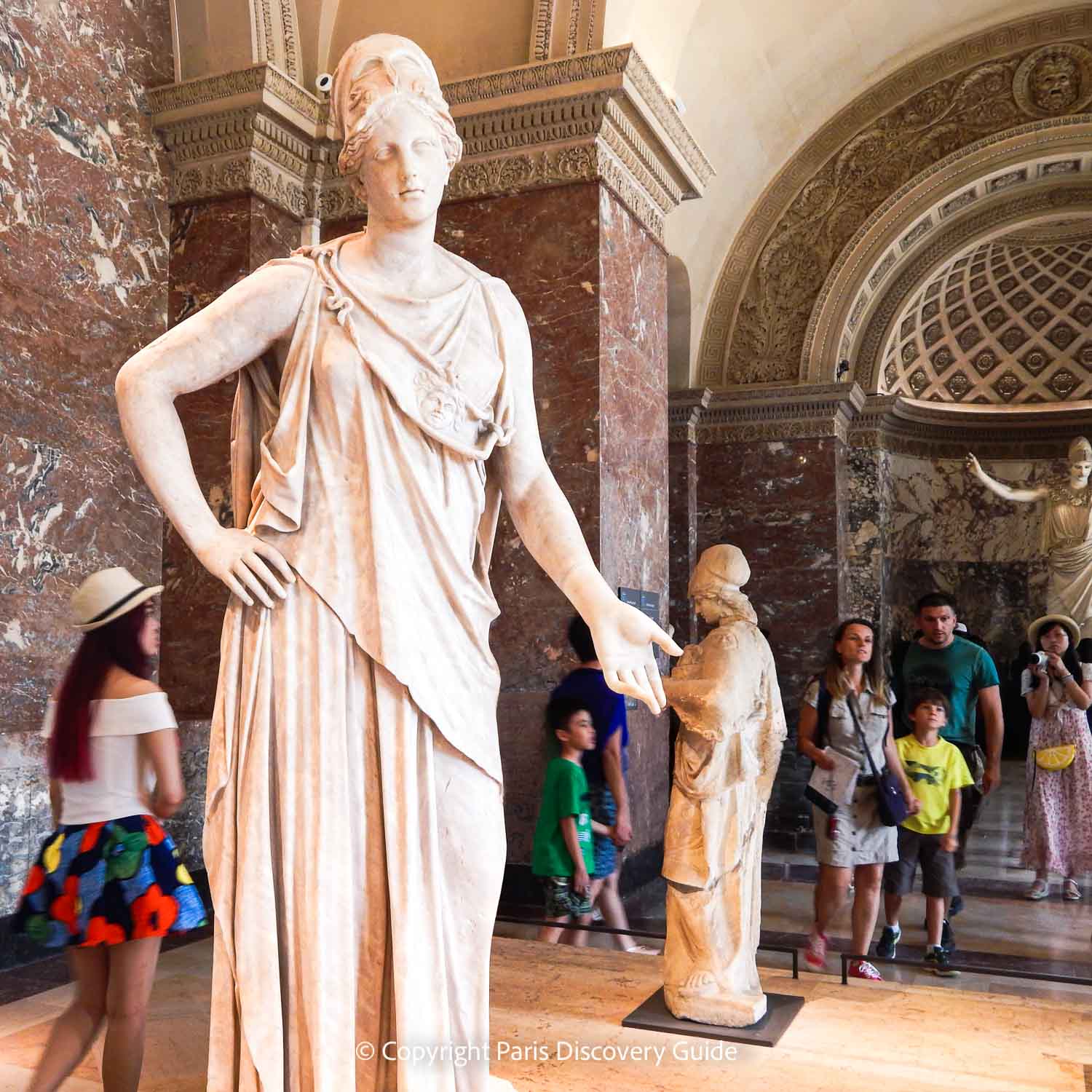
Ellen's Question:
I so appreciate this site and all your amazing information about Paris. I have rented an apartment in Paris for the month of September. I am wondering if there are any monthly or packages of passes that I should get - for example, for the museums, tourist sites, RER, metro, etc. I also am a senior and an artist. Not sure if that helps there as it does here in the USA.
Susan's Answer:
Hi Ellen, Thank for your kind words about the site, and I'm glad my information is helpful. I'm so excited for you - your upcoming trip sounds wonderful!
Although as far as I'm aware, there are no senior discounts available to non-French/non-EU visitors, there are three types of passes related to longer stays that you might consider:
1) Navigo Monthly Pass - With the "All Zones" pass, you pay €90.80 and get unlimited travel on the metro, RER, bus, tram, C1 cable car, and SNCF train within the Ile de France region. It runs from the first day of the month through the last day, so perfect for your full-month's stay in September. To buy it, you need a special Navigo card holder with a plastic Navigo insert, which you can get at the assistance counter in most metro stations - they cost €5 but you can use them forever. You need a small (1"x1") color head-shot photo of yourself (bring one with you or take one in the photo booth near the ticket counter in many metro stations) which you attach to the insert with tape (the people at the counter will have some) and then sign in the provided space. This way, if you get stopped at one of the routine ticket checks, you just show them the card with your photo.
Alternately, you can also upload the pass onto your phone. I don't do this myself or even recommend it because 1) the app sometimes glitches, which puts you at risk of being fined, 2) I like to keep my pass easily accessible in my bag while securing my phone and wallet in a zipped compartment, 3) if your phone battery dies while you're out and you don't have a way to quickly recharge it, you may have a long walk back to your hotel, or 4) if you accidentally drop your phone and it somehow stops working or you lose it while jet lagged, you're out of luck.
2) Paris Museum Pass - You can get one for 2, 4, or 6 consecutive days, with the price dependent on how many days you choose. There are definitely pros and cons.
The Pass works best, in my opinion, for anyone who wants to explore Paris's top cultural institutions and monuments, and gets excited at visiting 2-3 museums each day.
It also can be beneficial for anyone traveling with kids and teens, because you can't always predict what they'll like and, huge benefit, most Paris museums admit kids and teens for free. If they're bored after 20 minutes, you can just move on without cringing at how much you just spent on your own ticket.
You can certainly save money with it, especially the one for 6 days - so if the museums covered by the pass (it's worth noting that the pass does not include entrance to Paris's privately-funded museums - Fondation Louis Vuitton, Fondation Cartier, Palais de Tokyo, and a number of others) are among those you're planning to visit, the pass can be a great deal. Several of the museums do require advance bookings.
Also, I do not recommend using the pass to visit Versailles, as getting there and back plus spending a reasonable amount of time inside the Palace, enjoying the gardens, and perhaps visiting the two smaller palaces and Marie Antoinette's farm can easily fill an entire day. You're better off just getting an admission ticket or joining a group tour (with expedited entry).
I get the cost-effective 6-day pass every couple of years because I enjoy immersing myself in museums for an hour or less at a time, and I'm happy to save money on the admission fees - but you can also do that even with a 2-day pass.
3) Amis du Louvre - If you think that you might visit the Louvre at least 3 times during your month in Paris, becoming a "Friend of the Louvre" is definitely worth considering.
The 1-year membership costs €95/year, whereas admission tickets for non-members of the EEA (European Economic Area) are €32/visit. I love visiting the Louvre, but my attention wanes after about an hour. So with this membership, if I'm staying nearby (which I often do), I make as many hour-long visits as I want without feeling the need to stay longer to get my money's worth from a €32 ticket even when my brain is no longer absorbing what I'm seeing.
Plus, the membership gives you another big benefit which I truly love because I loathe wasting time in lines: you get to enter through the Richelieu passage, which is normally only for guided tours and VIPs - so no need for reservations, no wait in a long line, and so you just sail in and go straight to the part of the museum where the art you want to see is located.
Is Paris Safe for Solo Female Travelers?

Jo's Question:
Is Paris safe for women traveling alone? I am told NO... I was in the South of France and Italy in October/November last year and I was told that Paris is a danger zone for women traveling alone without a man. What do you think?
Susan's Answer:
Hmm… Well, I don't know why someone told you this. It certainly doesn't match my experience.
Maybe they've never been to Paris and speak from ignorance? Maybe they suffer from fear or anxiety and see the world as a scary place? Maybe they feel jealous of you and the possibility that you might come to Paris and enjoy yourself? Maybe they get an adrenaline rush from scaring other people?
But whatever - that's their problem. Don't let it be yours!
Speaking as a woman who has been coming to Paris as a solo traveler since I was 20 years old, I consider it a very safe city for a woman or a man traveling solo. That's actually one of the things I've always enjoyed about Paris. I've traveled to a lot different parts of the world including some that weren't totally safe for visitors (or residents), regardless of gender, and even lived and worked in one for a year so I speak from that perspective.
Sure, I exercise common-sense caution: I dress to blend in with local trends (meaning, I wear a lot of black in Paris), I emulate local customs (such as speaking quietly in public spaces), and for sure I don't flaunt things like designer labels and expensive jewelry (easy to avoid, as I don't have any). But these public safety practices apply anywhere, including in my own city in the U.S.
Lots of people travel alone to Paris - it's totally normal, totally expected. And of course plenty of Parisians live alone, so seeing people dining solo in restaurants and cafes is part of the everyday experience.
So since you ask me what I think about what you were told, it's this: ignore it. Do what you want to do. If you want to come to Paris, come! Enjoy yourself and your experiences in this beautiful city. And above all, don't let anybody try to make you feel afraid - or try to kill your joy.
Can You Paint Outdoors in Paris & Monet's Garden at Giverny?

Ellen's Question:
I will be in Paris for the month of September and am an artist.
I am going with the intention to plein air paint and also want to make sure it is ok to do so. Do I need a permit? I won't be selling unless I set something up with a gallery.
Also, I am hoping to paint at Giverny, but I don't know how or if I can. Can you find out for me or give me a contact?
Susan's Answer:
Your upcoming trip sounds wonderful!
I'm going to assume that you meant the type of painting that involves liquids such as turpentine or water, versus a dryer medium such as oil sticks which might be considered similar to drawing.
As far as I'm aware, you do not need a permit for plein air painting in public parks and gardens in Paris, although I've seen conflicting accounts online about whether or not painting in Jardin du Tuileries is allowed. But before you go, you should probably check online to see if your target location has any restrictions or rules.
I don't know about the Seine River banks or the bridges - I think the concern would be turpentine or paints accidentally getting spilled into the river, which recently underwent a massive clean-up effort and is now used for swimming.
I expect that painting may also be prohibited on sidewalks, at least in central Paris, simply because most get quite congested.
Obviously, private spaces such as Monet's Garden in Giverny set their own rules (more about Giverny in a moment). I believe that I've also read somewhere that unauthorized painting is prohibited in Place du Tertre, the plaza near Sacre Coeur Basilica in Montmartre where painters who pass a juried process are allowed to set up their easels to paint and sell their paintings to tourists.
Also, any space that's part of or even near an historical monument, such as the plaza around the Arc de Triomphe, is most likely prohibited.
For other areas, I'd check as much as possible and perhaps even scout the area beforehand to see if other painters are in sight. In the absence of prohibitions, I'd personally be inclined to set up my easel in any reasonable outdoor place and if someone official, such as a gendarme (police) walked by and told me I was breaking a rule or a law, I'd look contrite and apologize (in French: "Je suis très désolé!") - and move on. But you should do what you're comfortable with!
But now for Giverny.
Painting in Monet's gardens is such an appealing idea - but unfortunately, Giverny does not allow painting - or a number of other things. Monet's house and gardens are now owned and controlled by the Académie des Beaux-Arts (part of the Institut de France), and among other restrictions, they post these rules on their Giverny website:
- Any exit from the site is final. [So, for example, you can't leave for an hour or two and then re-enter.]
- Pets are not allowed (except recognised assistance dogs).
- Picnic, painting, and drawing are not allowed.
- Wedding photo shoots are not accepted.
- No luggage storage available (Vigipirate plan – large luggage forbidden)
The gardens and ponds are absolutely gorgeous in September - you can see a few fall photos in this Giverny article. Maybe you can visit and take a lot of photos to use as inspiration for paintings later?
Have a fantastic month in Paris! And for anyone else who's considering a day trip to Giverny, here are the best tours with transportation from Paris to get you there the fast and easy way.
How to Ship Purchases Home from Paris
Jane's Question:
I am traveling to Paris for the Christmas Markets and wondering how to use La Poste to send my beautiful finds back to the USA. I need to know how to do everything from purchasing boxes to completing paperwork, etc.
Susan's Answer:
Paris's post offices have become quite automated, with everything being self-service. My one recent PO experience involved accompanying my daughter to buy a stamp and mail a postcard to a friend in another European country. That sounds simple, right?
Well, there were lots of machines but no service counter. The machines didn't seem to have instructions on them about how to use them - I guess you just had to know the purpose of each one, which I'm sure all Parisians do because they are familiar with them. As non-Parisians, we could not figure out how much postage was needed and which machine would produce a stamp, much less where to actually mail the postcard.
Finally we did find someone from a back office who was very gracious about helping us after we explained (in French) what we were trying to do, but she seemed surprised that we couldn't figure it out on our own.
If you will need boxes, packing materials, labels, and help with paperwork, that may be beyond the help that's available in post offices.
An easier option you might want to consider is bringing your Christmas Market purchases back with you on your flight back home, even if you have to buy a cheap suitcase here in Paris to hold them all and pay a fee for having an extra bag. Or you could even bring an empty suitcase with you.
That is what I would do vs trying to figure out the post office - not to mention acquiring packing materials, etc. Plus you are probably more likely to avoid the need to pay customs duty as long as you're under the duty-free limit, whereas mailing them might create that risk if the paperwork is somehow not 100% correct.
What Kind of Gift Cards Can You Use in Paris?
David's Question:
We are going to be in Paris in May and June. Both of our birthdays are in May and my daughter and son-in-law want to give us a present that we can use in Paris. They were thinking some sort of gift card that we can use in restaurants, etc. Do you have any ideas what they can get and how they would do that?
Susan's answer:
What a lovely, thoughtful idea.
I can suggest several ways for your daughter and son-in-law to give you a gift to enjoy during your Paris visit.
One possibility, as you mentioned, would be a prepaid Visa or Mastercard debit card, but there's an important catch: many prepaid gift cards issued in the U.S. can be used only within the U.S. I don't know about Canada or other countries, but I'm guessing they may be the same.
So before buying one, your daughter and son-in-law should confirm that the specific card can be used in France. For example, they might check the packaging for a phrase similar to "Valid worldwide where Visa/Mastercard is accepted." Or the opposite: "Valid only in the United States." Or they could contact the issuer.
If they do find one that permits international transactions, they should also check for foreign transaction fees and currency conversion charges (which can be fairly high on these cards), as well as for any restrictions on using the card in restaurants. You'll also want to know how to check the remaining balance, since purchases will be made in euros rather than dollars.
Also, they should avoid American Express, which is not as widely accepted in Paris as Visa or Mastercard. You don't want to spend your birthday dinner wondering whether your gift card will work when the bill arrives!
However, my recommendation is to consider something simpler.
For example, your daughter and son-in-law could book and pay for a special Paris experience for you in advance, such as a Seine River dinner cruise, a food tour, or another activity they'd enjoy treating you to. It's probably easiest if they make the booking in your names and send you the confirmation and any tickets or vouchers you'll need when you arrive. That way, you wouldn't have to worry about whether a prepaid card would be accepted.
Or, even easier, they could simply give you the money (cash, a check, Venmo, whatever works best for all of you) for a special birthday experience, perhaps with a festive card - I'm envisioning one with fireworks, shooting stars, or a gorgeous bouquet of flowers saying something like, "Dinner in Paris is on us!" You could then choose exactly where and how to celebrate - and send them photos of you enjoying your dinner at the restaurant.
Whatever you decide, I wish you both a big "Happy Birthday!" and a magical time celebrating together in the City of Light!
Swimming Pools & Gyms in Paris: Options for Visitors

Diane's Question:
My husband and I will be in Paris this year from June 1 through June 30. We are celebrating my birthday with a month in Paris! I'm so excited.
Here is my question for you: We prioritize exercise. We are staying in the 3rd arrondissement and wondered if there are any work out/swimming places or hotels nearby that would allow us to use their workout areas for a fee?
Susan's Answer:
A month in Paris is indeed a wonderful way to celebrate your birthday!
Paris has a number of public swimming pools throughout the city that anyone can use for a small fee.
You can find the information on this City of Paris website page.
The second pool listed (Central Paris, which is arrondissements 1, 2, 3, and 4) is in the 4th, so that might be the closest one to where you're staying in the 3rd.
Paris also has a large number of gyms of various sorts (all-purpose, boxing, rock climbing, etc) throughout the city. Gyms used to be more of a rarity here, but now they've become quite common.
Probably the best way to spot one is to just walk around the neighborhood where you're staying, and if you see one you like based on how it looks, go in, say "bonjour," and ask if the person you're talking to speaks English ("Parlez vous anglais?" - "par-lay vu ah-glaze?"). If they do (or find someone who does), ask if a day pass is available, and if so, how much.
Since you don't mention a hotel, I'm guessing that perhaps you're staying in an apartment? If so, ask your host about nearby gyms with guest options.
Another option is to bring basic light-weight strength-training equipment such as resistance bands and, since you'll be there for a month, buy a couple of hand-weights or whatever else might be helpful after you arrive. The best source for weights is the enormous and wonderful French sporting goods emporium, Decathlon. Their Paris location is at 23 Boulevard de la Madeleine in the 1st arrondissement, very close to the magnificent Eglise de Madeleine Church.
As for cardio, you'll probably get plenty of that just walking around, especially if you seek out hilly locations such as the Montmartre neighborhood (especially around Sacre Coeur Basilica), Parc des Buttes Chaumont in the 19th, and Parc de Belleville in the 20th. Even Pere Lachaise Cemetery in the 20th has a couple of reasonably steep hills, plus it's always an interesting place to explore.
Otherwise, both Parc Monceau (8th arr) and Luxembourg Garden (6th arr) have decent running paths. Even better trails are in Bois de Vincennes (12th arr) and Parc Clichy-Batignolles-Martin Luther King in the 17th.
In my experience, most hotel fitness rooms tend to be fairly minimalist - maybe an exercise bike, treadmill, elliptical, and a few weights at most. I don't know if any of them provide day passes to their fitness rooms, but my impression is that they're for guests only.
Update: I should probably have mentioned that if you're getting exercise by walking/jogging around the city, do be cautious of cobblestones, which can be a tripping hazard at any time but especially when they get wet. In case you do get a sprained ankle or other injury, this article provides information about where to get medical help in Paris.
See Questions & Answers on Similar Topics
Looking for more answers to common Paris travel questions? You may find these Q&A articles helpful:
- Paris Attraction Tickets: What to Book in Advance
- Paris Attractions & Landmarks: Tips for Choosing What to See & Do
- How to Plan Your Own Paris Itinerary
Paris Discoveries Q&A Archive - See Q&As on all topics
Have a Paris travel question?
Want to get more questions and answers about Paris travel, or ask your own question? Sign up for Paris Discoveries and you'll get Paris travel planning tips and the newsletter's Q&A edition delivered straight to your inbox each week.
Helpful Related Articles on Paris Discovery Guide
You may also want to read:
- Paris Weather by Month & Season: What to Expect
- Where Should You Stay in Paris? - 10 recommended Paris neighborhoods and hotels for first-time and return visitors
- What to Do If You Get Sick or Injured in Paris - Where & how to get the medical help you need